As crisp autumn breezes replace the suffocating heat of summer, your home’s climate control needs undergo a major, highly noticeable shift. Preparing your heating and cooling equipment for the upcoming cooler months ensures consistent indoor comfort and actively helps prevent unexpected, costly breakdown emergencies during early seasonal freeze spells. Skipping basic autumn preparation often leads to drastically decreased energy efficiency, unexpectedly inflated monthly utility bills, and avoidable component failures right when you need heat the most. Establishing a proactive working relationship early with a licensed HVAC contractor allows you to identify and address subtle mechanical issues before they turn into major structural expenses or dangerous safety hazards. Taking these essential preparatory steps now creates a comfortable, energy-efficient sanctuary for your entire family throughout the long chilly season ahead.
Many homeowners overlook critical seasonal maintenance until their central furnace completely fails to ignite on the very first freezing morning of the season. According to WorkYard, while roughly a third of homeowners express anxiety over the general state of their heating and cooling systems, merely 30% take the proactive step to book routine maintenance. This widespread gap in preventative care leads to unnecessary mechanical friction and severe wear and tear on sensitive electrical and heating components. Taking the necessary time to complete a systematic fall HVAC checklist protects your long-term home investment, enhances overall system longevity, and gives your entire family complete peace of mind.
Replace Your Air Filters Regularly
One of the simplest yet most critically vital tasks on your autumn checklist is inspecting and changing your home's central air filters. Over the long summer months, standard air filters collect massive amounts of dust, pollen, pet dander, and microscopic airborne debris that severely restrict overall system airflow. Operating your furnace with a clogged or heavily soiled filter forces the main blower motor to work significantly harder, which rapidly accelerates mechanical wear and increases monthly electricity consumption. By placing a fresh, high-efficiency filter into your system every one to three months, you maintain strong airflow, extend motor lifespan, and safeguard your interior family air quality.
Choosing the proper furnace filter MERV rating is essential for balancing optimal system airflow with microscopic allergen and dust particle filtration. Standard fiberglass filters offer minimal protection against tiny allergen particles, while ultra-high filtration media can sometimes restrict necessary airflow in older residential heating units. Consulting a qualified HVAC contractor can help you determine the ideal filter rating tailored specifically to your equipment's unique manufacturer specifications and airflow requirements. A knowledgeable HVAC contractor can also demonstrate proper installation techniques so you never damage the filter cabinet or allow dirty, unfiltered bypass air to recirculate through your primary living spaces.
Inspect Your Heat Exchanger and Burners
Your heating system's metal heat exchanger and gas burners require careful, detailed examination before you turn on your thermostat for the first cold evening. Gas burners accumulate dark soot, environmental dust, and microscopic rust deposits during long summer periods of total inactivity, which can obstruct the ignition flame and impair overall heat output. A dirty burner often results in inefficient fuel combustion, strange popping or banging sounds during initial startup, and elevated fuel costs throughout the cold heating season. Inspecting and cleaning these internal heating components ensures clean fuel combustion, stable blue flame patterns, and reliable, uninterrupted heat delivery throughout your entire living area.
Cracks, rust pits, or hairline fractures in a heat exchanger pose a severe safety hazard because they can leak invisible, odorless carbon monoxide into your living space. Because these heavy metal components expand and contract continuously during rapid heating cycles, structural stress cracks frequently develop over several years of continuous home operation. An experienced HVAC contractor possesses specialized digital video inspection cameras and electronic diagnostic sensors to detect microscopic hairline cracks that are completely invisible to the untrained eye. Hiring a skilled HVAC contractor guarantees that your heating unit operates safely and reliably without endangering your household with hazardous, undetectable toxic gas fumes.
Clean Your Outdoor Condenser and Vents
Fall yard work involves much more than just raking colorful autumn leaves off your lawn; it also requires clearing heavy debris from around your exterior heat pump or air conditioner. Fallen leaves, twigs, grass clippings, and garden mulch frequently collect around the base and delicate side fins of outdoor condenser units during early autumn storms. Trapped dense organic debris blocks critical airflow across the outdoor coils, creating trapped moisture pockets that foster premature corrosion and drastically reduce overall operating efficiency. Clearing a generous two-foot perimeter around your outdoor cabinet prevents airflow obstruction, improves thermal efficiency, and keeps unwanted seasonal pests from nesting inside the quiet unit housing.
Interior supply registers and return air vents also require thorough surface cleaning and clear surrounding room space to allow proper, balanced air distribution throughout the home. Heavy furniture, thick drapery, decorative area rugs, and storage boxes frequently block supply registers, forcing your central ventilation fan to build harmful backpressure inside the ductwork. Thoroughly vacuuming accumulated dust buildup from air grilles and ensuring every room vent remains completely unblocked allows warm air to circulate evenly across every floor. If you notice unusual rattles, damp spots, or heavy dust blowing from your supply vents, consulting an HVAC contractor will help identify hidden duct leaks, loose duct connections, or insulation deficits.
Schedule Your Annual Fall Maintenance Tune-Up
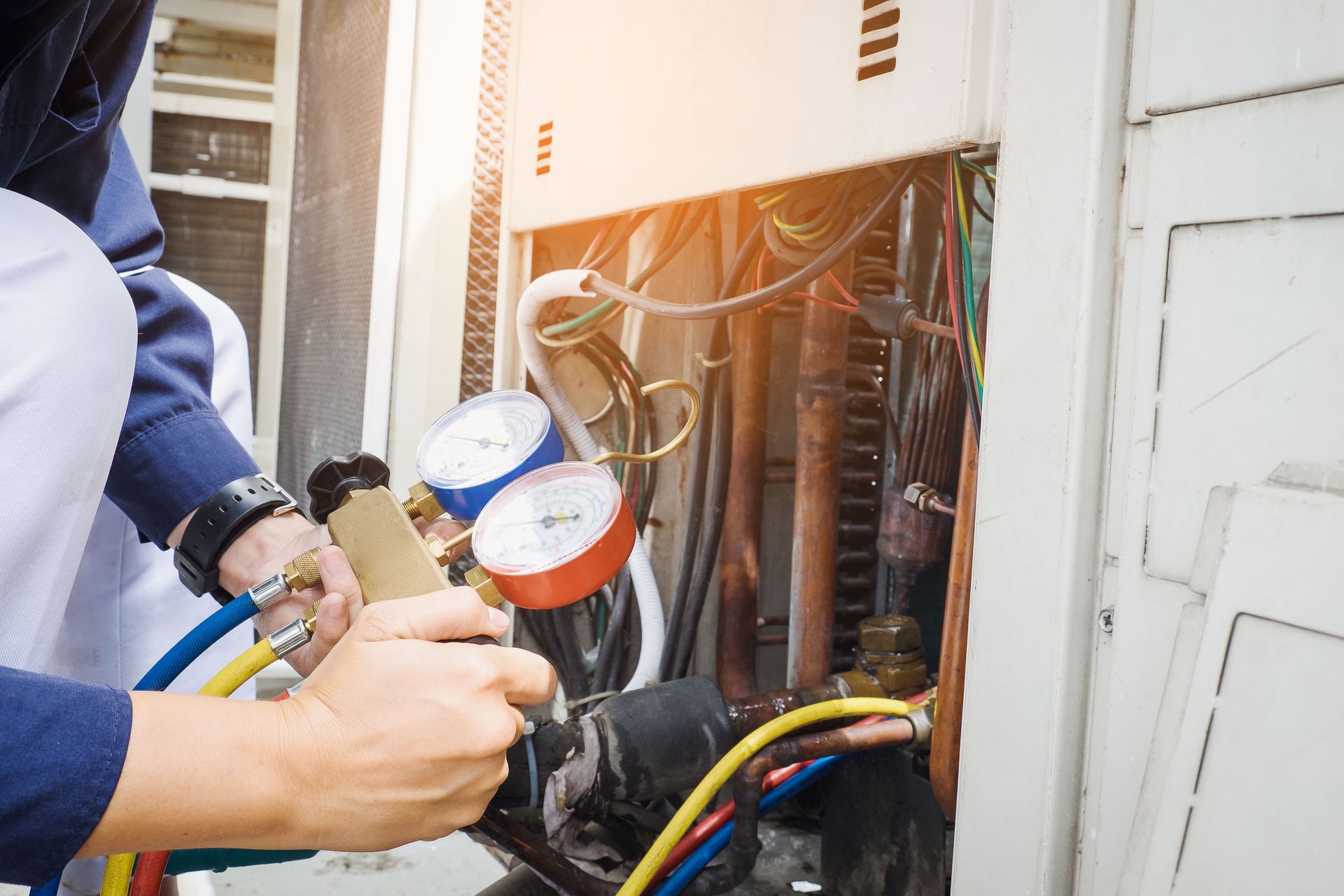
While basic surface cleaning and routine filter changes are easy homeowner DIY tasks, comprehensive seasonal system maintenance requires professional technical equipment and extensive diagnostic training. Comprehensive professional maintenance includes testing critical safety controls, measuring electrical voltage, lubricating tight motor bearings, calibrating thermostat controls, and carefully checking system refrigerant levels. Skipping annual professional tune-ups often voids active equipment manufacturer warranties, leaving you fully financially responsible for expensive component replacements down the road. Booking a comprehensive professional evaluation before the peak heating season ensures optimal system performance, enhanced energy efficiency, and complete safety when severe freezing weather arrives.
A thorough seasonal system tune-up conducted by a certified HVAC contractor ensures every electrical relay, gas valve, and mechanical component performs at peak theoretical efficiency. During a routine autumn appointment, a skilled technician will measure total system airflow, test gas manifold pressure, inspect wiring integrity, and verify safe operation across all automated heating cycles. Investing in professional oversight before the winter rush prevents midnight emergency breakdowns, optimizes fuel consumption, and significantly reduces monthly heating bills. Taking proactive action today ensures your home stays reliably warm, safe, and cost-effective throughout the long winter season.
Preparing your residential property for autumn climate changes requires a balanced approach of diligent personal maintenance and professional technical expertise. Taking time to inspect filters, clear outdoor debris, and check indoor supply registers lays a solid foundation for reliable, high-efficiency home comfort. Entrusting complex safety checks, electrical testing, and gas burner calibrations to a certified
HVAC contractor ensures your heating system operates safely and at peak performance all winter long. By completing this simple, proactive fall checklist today, you effectively safeguard your home investment, lower your monthly energy costs, and avoid stressful winter equipment failures.
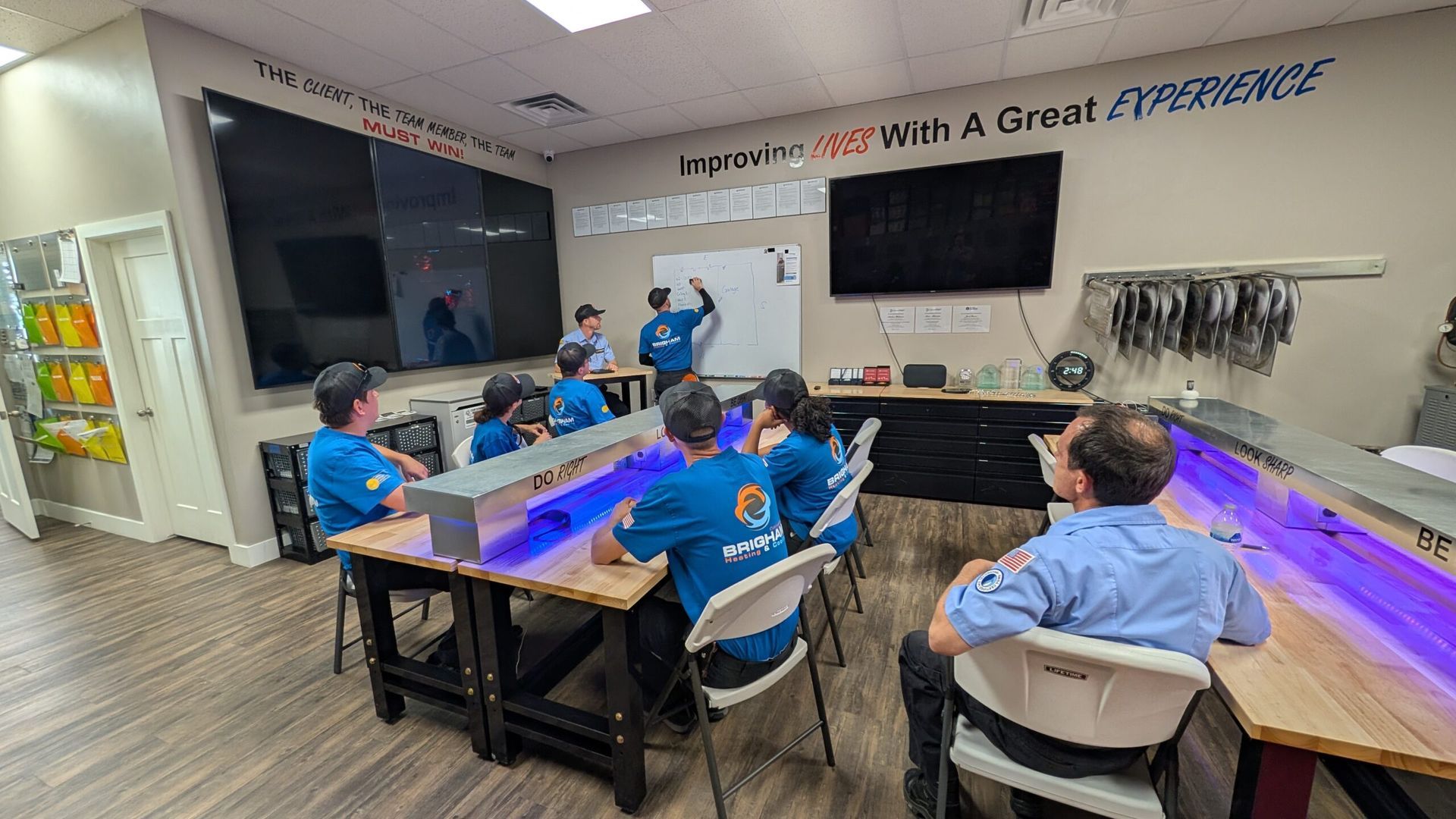
At Brigham Heating and Cooling, Inc, we are dedicated to keeping your home warm, safe, and energy-efficient as the temperatures begin to drop. Our team of experienced technicians provides comprehensive fall tune-ups and expert system repairs tailored to your household's exact comfort needs. Contact us today to schedule your autumn system inspection and let us give you total peace of mind this season!