October 15, 2026
Your HVAC system works behind the scenes every day to keep your home comfortable through changing temperatures. Because heating and cooling equipment is designed for frequent use, small issues can develop gradually without producing obvious warning signs. By the time a problem becomes noticeable, it may already be affecting efficiency, comfort, or the condition of other components.
Routine inspections provide a proactive way to keep your heating and cooling equipment operating as it should. Instead of waiting for a strange noise, uneven temperature, or complete breakdown to signal a problem, an HVAC contractor can evaluate the system and identify potential concerns early. This approach can help homeowners address manageable issues before they become larger and more expensive repairs.
Identifying Small Problems Early
One of the primary advantages of routine HVAC inspections is the opportunity to find developing problems before they interfere with your comfort. Heating and cooling systems contain numerous electrical, mechanical, and airflow components that work together during every cycle. A component can begin wearing down long before it stops functioning completely.
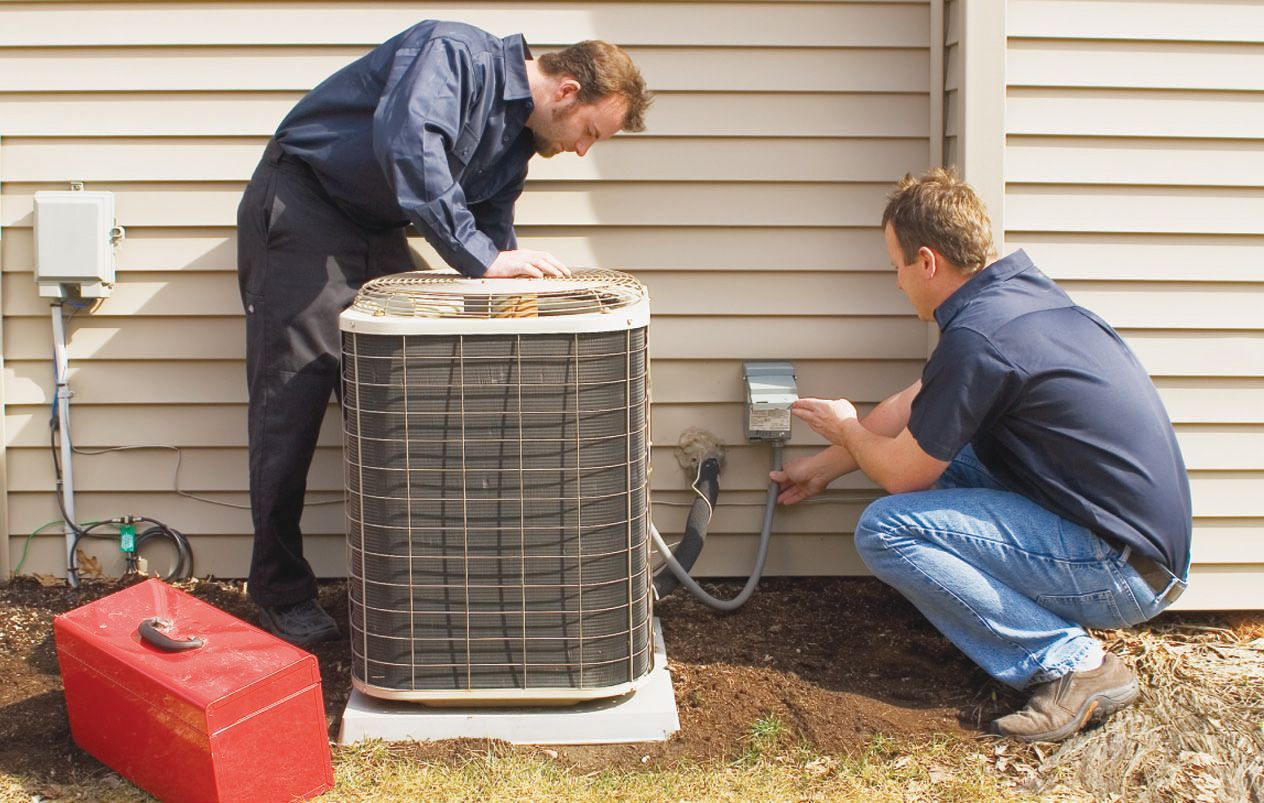
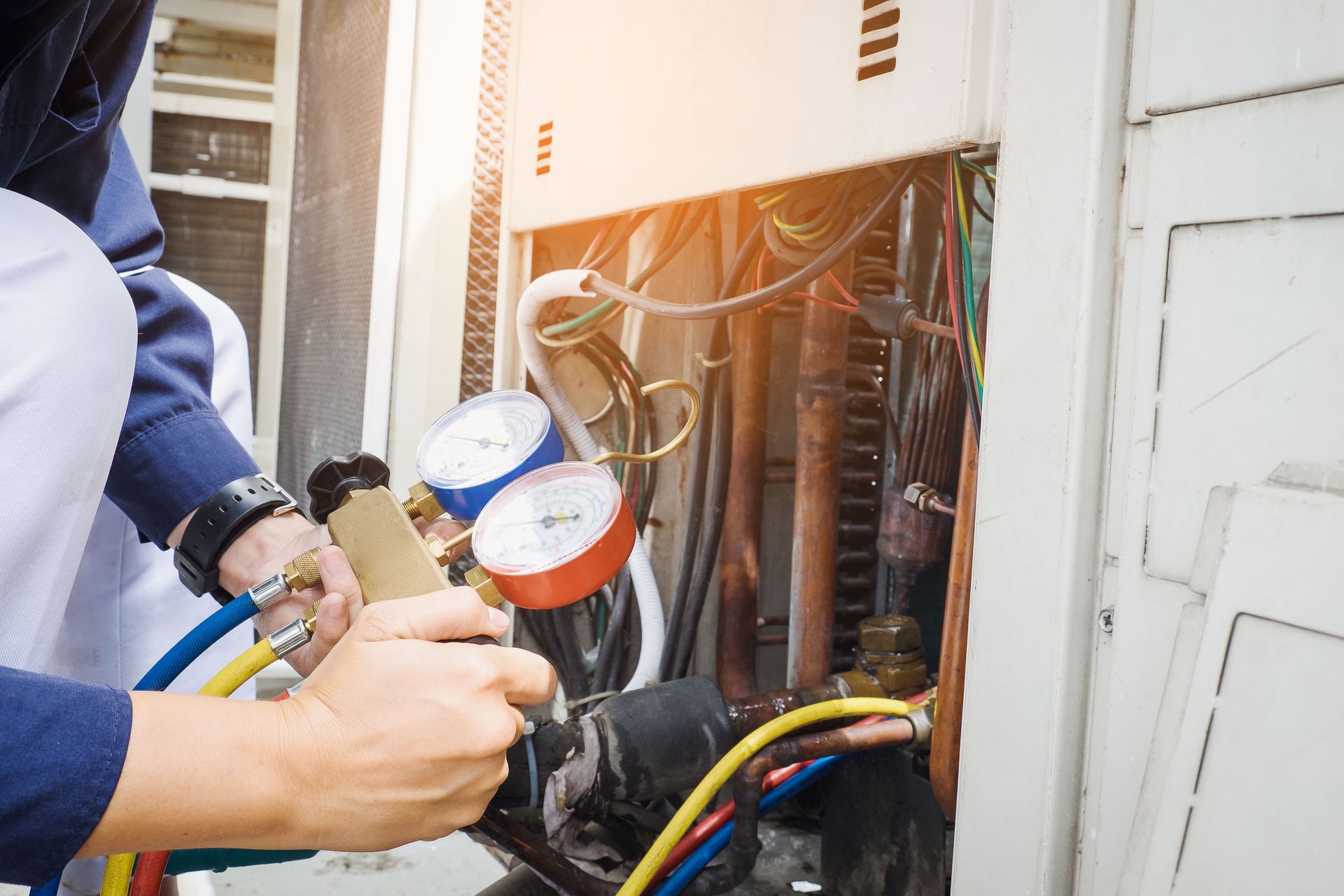
During an inspection, an HVAC contractor can examine important parts of the system for signs of wear, damage, or abnormal operation. A loose electrical connection, restricted airflow, worn motor, or developing refrigerant issue may not immediately cause a complete system failure. However, allowing these conditions to continue can place additional strain on the equipment.
According to HomeGuide, you can prevent expensive problems by having an HVAC technician perform a system inspection at least one time every year. Regular attention gives homeowners a better opportunity to address concerns while they are still manageable, rather than dealing with a more disruptive repair later.
Maintaining Consistent System Performance
An HVAC system can continue running while gradually becoming less effective. You may notice that your home takes longer to reach the desired temperature, certain rooms feel warmer or cooler than others, or the equipment cycles more frequently than expected. These changes can indicate that the system needs professional attention.
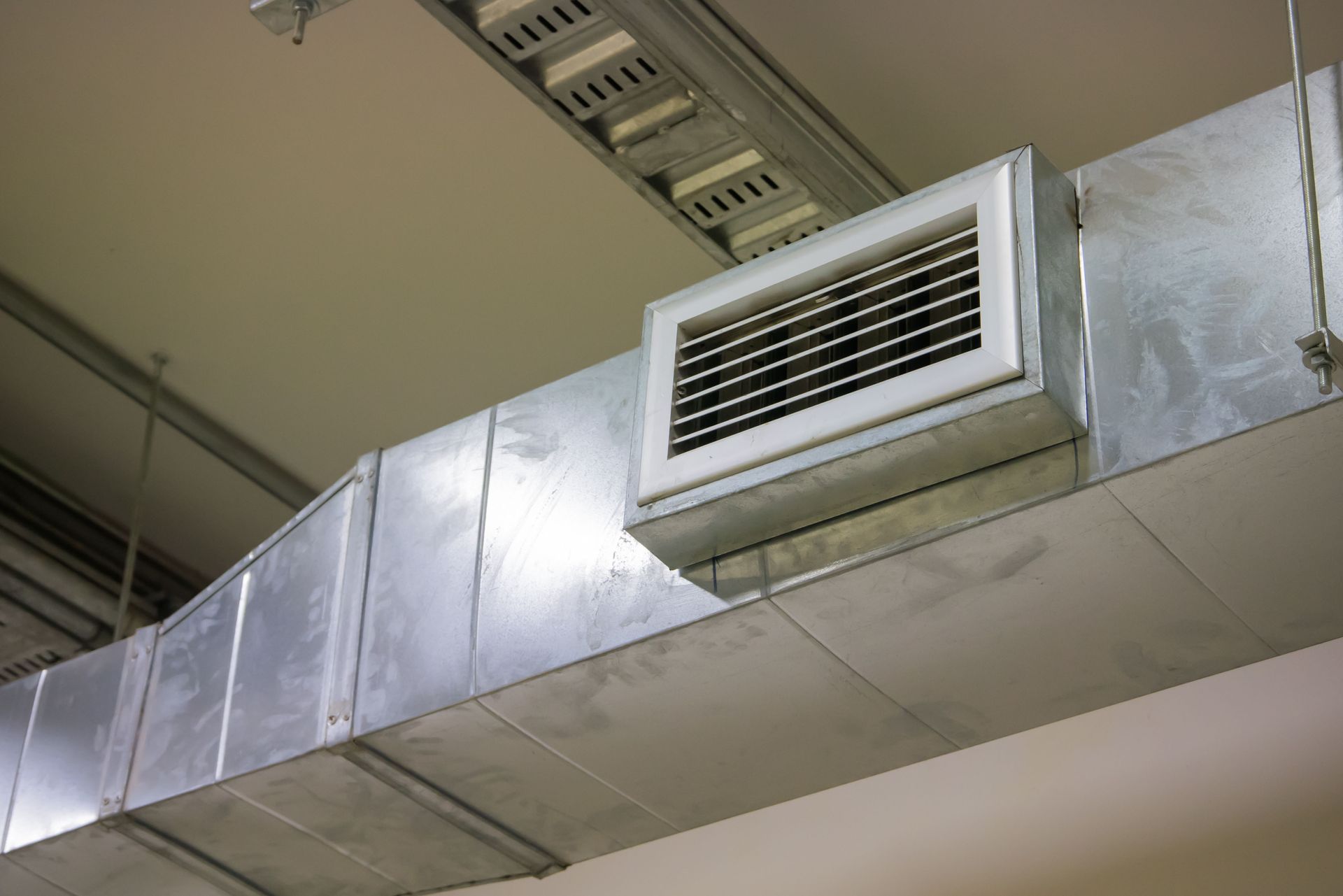
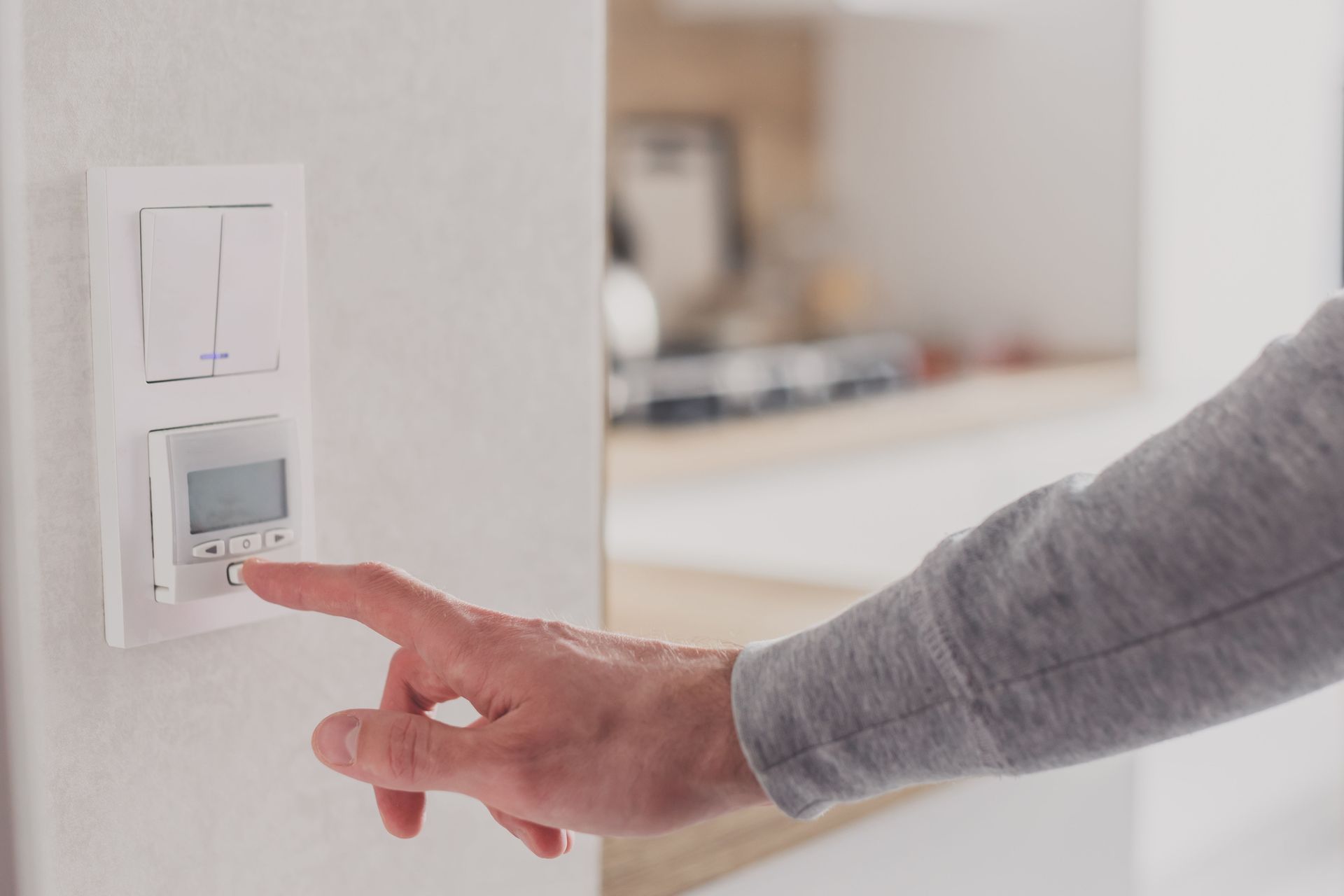
A routine inspection allows an HVAC contractor to evaluate how the system is performing rather than simply determining whether it turns on and off. Technicians can assess airflow, thermostat operation, electrical connections, filters, ductwork, refrigerant levels, and other important components. Identifying performance concerns early can help keep the system operating more consistently.
Reducing Unexpected Equipment Breakdowns
Few HVAC problems happen at a convenient time. A furnace may stop working during a freezing winter night, or an air conditioner may struggle during a particularly hot afternoon. Emergency repairs can be stressful because homeowners are suddenly faced with an uncomfortable home and an unexpected service need.
Routine inspections provide a proactive strategy for reducing the likelihood of surprise breakdowns. An HVAC contractor can identify components that appear worn or are showing signs of declining performance. Addressing those concerns during scheduled maintenance gives homeowners more control over when repairs take place.
Improving Energy Efficiency
Heating and cooling equipment can consume more energy when it has to work harder than necessary. Restricted airflow, dirty components, inefficient operation, thermostat problems, and other concerns may cause the system to run longer or cycle more frequently to maintain the desired indoor temperature.
During a professional inspection, an HVAC contractor can evaluate the system for conditions that may be contributing to inefficient operation. Correcting these issues can help the equipment perform more effectively and reduce unnecessary strain.
Energy efficiency is particularly important because HVAC systems often represent a significant portion of a home's ongoing energy use. Keeping equipment properly maintained can support more efficient operation throughout the heating and cooling seasons. Rather than allowing small inefficiencies to accumulate, routine inspections provide an opportunity to keep the system operating closer to its intended performance.
Protecting Major HVAC Components
HVAC systems are made up of multiple components that depend on one another. When one part begins operating improperly, it can place additional stress on other parts of the system. A relatively minor issue can therefore contribute to a much larger repair if it remains unresolved.
Protecting individual components can ultimately help protect the entire system. An HVAC contractor can explain which concerns require immediate attention and which may be monitored or addressed during planned maintenance. This helps homeowners make informed decisions about their equipment and avoid unnecessary disruption.
Supporting Safer HVAC Operation
Routine HVAC inspections are also important for system safety. Heating equipment, in particular, involves combustion, electrical components, ventilation, and other factors that require proper operation. A professional evaluation can identify conditions that may compromise safe performance.
Safety should remain a priority whenever a heating or cooling system is serviced. Having an HVAC contractor perform professional inspections provides homeowners with an additional layer of confidence that important components are being evaluated by someone with the appropriate knowledge and experience.
Extending Equipment Service Life
Replacing an HVAC system is a significant investment, so homeowners naturally want their equipment to provide dependable service for as long as possible. Routine inspections can support that objective by helping identify conditions that may contribute to premature wear.
When equipment operates under unnecessary strain, components may experience additional stress over time. Correcting developing problems and maintaining important parts can help the system operate more effectively. Regular inspections also create opportunities to discuss the overall condition of older equipment and determine whether continued repairs or future replacement planning makes the most sense.
An HVAC contractor can provide insight into whether a system is performing normally for its age and condition. This information can make it easier to plan ahead instead of being forced into an immediate replacement after an unexpected failure.
Planning Repairs Before Emergencies
Routine inspections also give homeowners greater visibility into the condition of their HVAC equipment. If a technician identifies a component that is beginning to wear but has not yet failed, there may be an opportunity to plan the necessary repair around the homeowner's schedule.
This can be especially valuable for older systems or equipment that experiences frequent use. Instead of waiting for a failure to dictate the timeline, homeowners can prioritize repairs based on the condition and importance of each component.
Working with an HVAC contractor regularly can also make it easier to establish a maintenance routine. Consistent service creates a history of the system's condition, allowing homeowners and technicians to recognize changes over time and make more informed decisions about repairs and replacement.
Maintaining Comfort Throughout the Year
Heating and cooling systems face different demands as the seasons change. Air conditioners may operate for extended periods during summer, while furnaces can experience sustained use throughout winter. Preparing equipment before these periods of heavy operation can help reduce the risk of performance problems when comfort matters most.
Seasonal inspections and tune-ups allow homeowners to address potential concerns before the system is placed under greater demand. An HVAC contractor can evaluate key components, test system operation, and identify issues that could interfere with reliable performance.
Routine inspections are ultimately about taking a proactive approach to home comfort. Instead of treating HVAC service as something that only happens after a failure, homeowners can make professional inspections part of their ongoing property maintenance strategy.
Heating and cooling systems deserve consistent attention to remain reliable, efficient, and ready for the demands of every season. Routine inspections can help identify developing problems, protect major components, support efficient operation, improve safety, and reduce the likelihood of unexpected breakdowns. When you work with an experienced HVAC contractor, you can also gain valuable insight into the current condition of your equipment and make informed decisions about necessary service.
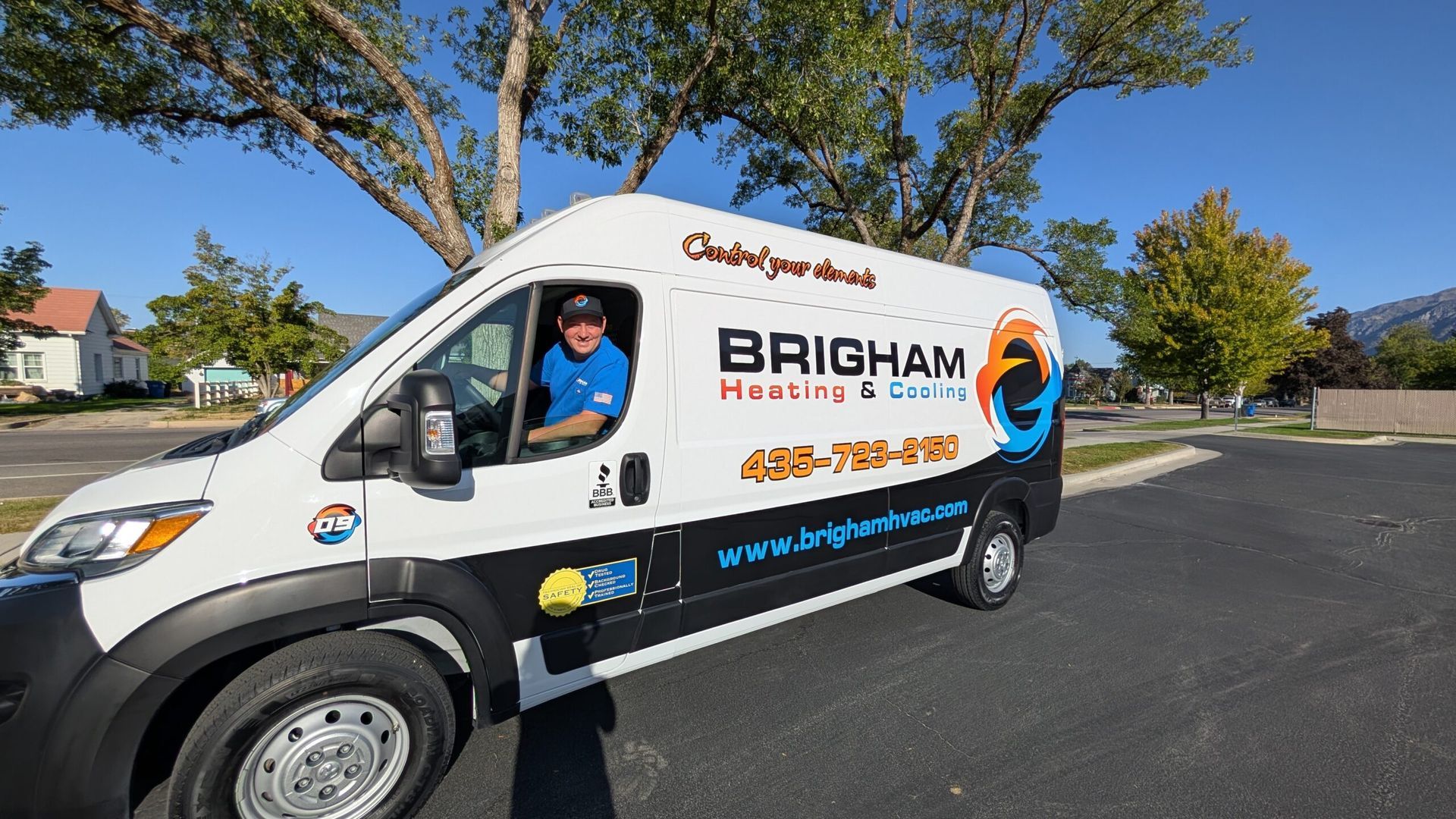
Brigham Heating and Cooling, Inc provides professional HVAC inspections, maintenance, repairs, and heating and cooling services throughout Northern Utah. With more than 44 years of experience, a fully licensed and insured team, and maintenance options designed to support ongoing system care, our team can help you stay ahead of potential HVAC problems. Contact Brigham Heating and Cooling, Inc today to schedule your HVAC inspection and take a proactive approach to year-round comfort.