Your home’s climate control system is the heart of your indoor comfort, and the thermostat serves as its brain. Making the switch from cooling to heating might seem as simple as flipping a switch or tapping a screen, but a truly seamless transition requires a bit more care, preparation, and attention to detail.
According to Industry Research, air conditioning causes nearly 54% of HVAC repair calls. This staggering statistic highlights just how hard your system works during the peak summer months. After enduring such a heavy workload, your HVAC system needs proper attention before it is tasked with keeping you warm all winter. Rushing the transition without checking your equipment can lead to inefficiencies, higher energy bills, or sudden breakdowns on the coldest night of the year. We want to ensure your home remains comfortable and safe year-round. When homeowners need expert guidance on seasonal transitions, they frequently rely on the expertise of local HVAC contractors to prepare their systems for the harsh winter months ahead.
By following a systematic approach, you can transition your thermostat and your entire HVAC system smoothly. Here is a comprehensive guide to help you make the switch seamlessly.
Assess Your HVAC System
Before you even touch your thermostat to switch it over to heating mode, take a moment to evaluate how your system performed during the summer. Did your air conditioner struggle to keep certain rooms cool? Did you notice any strange noises, frequent cycling, or unexpected spikes in your monthly utility bills? Taking note of these operational quirks is an essential first step in your seasonal transition.
An HVAC system is a unified network; problems that surfaced during the cooling season can easily carry over and affect your heating efficiency. For instance, poor airflow caused by a failing blower motor will severely impact your furnace just as it did your air conditioner. Addressing these lingering issues early is vital. Often, reaching out to experienced local HVAC contractors is the most effective way to diagnose and resolve these hidden problems before you demand maximum output from your heating unit. A thorough assessment sets the stage for a seamless transition and ensures you are not carrying summer's unresolved mechanical issues into the winter.
Inspect Your Air Filters
One of the most critical, yet frequently overlooked, steps in transitioning your thermostat is checking and replacing your air filters. Over the long, hot summer, your system’s filters have likely trapped a massive amount of dust, pollen, pet dander, and other airborne particles. A clogged filter severely restricts airflow, which forces your blower motor to work harder than necessary to push warm air through your home.
When you transition to heating, restricted airflow can cause your furnace to overheat and potentially trigger its high-limit safety switch, leading to unexpected shutdowns. Changing your filter ensures that your freshly activated heating system can breathe easily and distribute warm air efficiently. While this is a simple DIY task, homeowners who are unsure about the correct MERV rating for their specific unit should seek professional advice. Reliable local HVAC contractors can help you select the optimal filter that balances excellent indoor air quality with the correct airflow requirements for your specific heating system.
Test Your Heating Unit
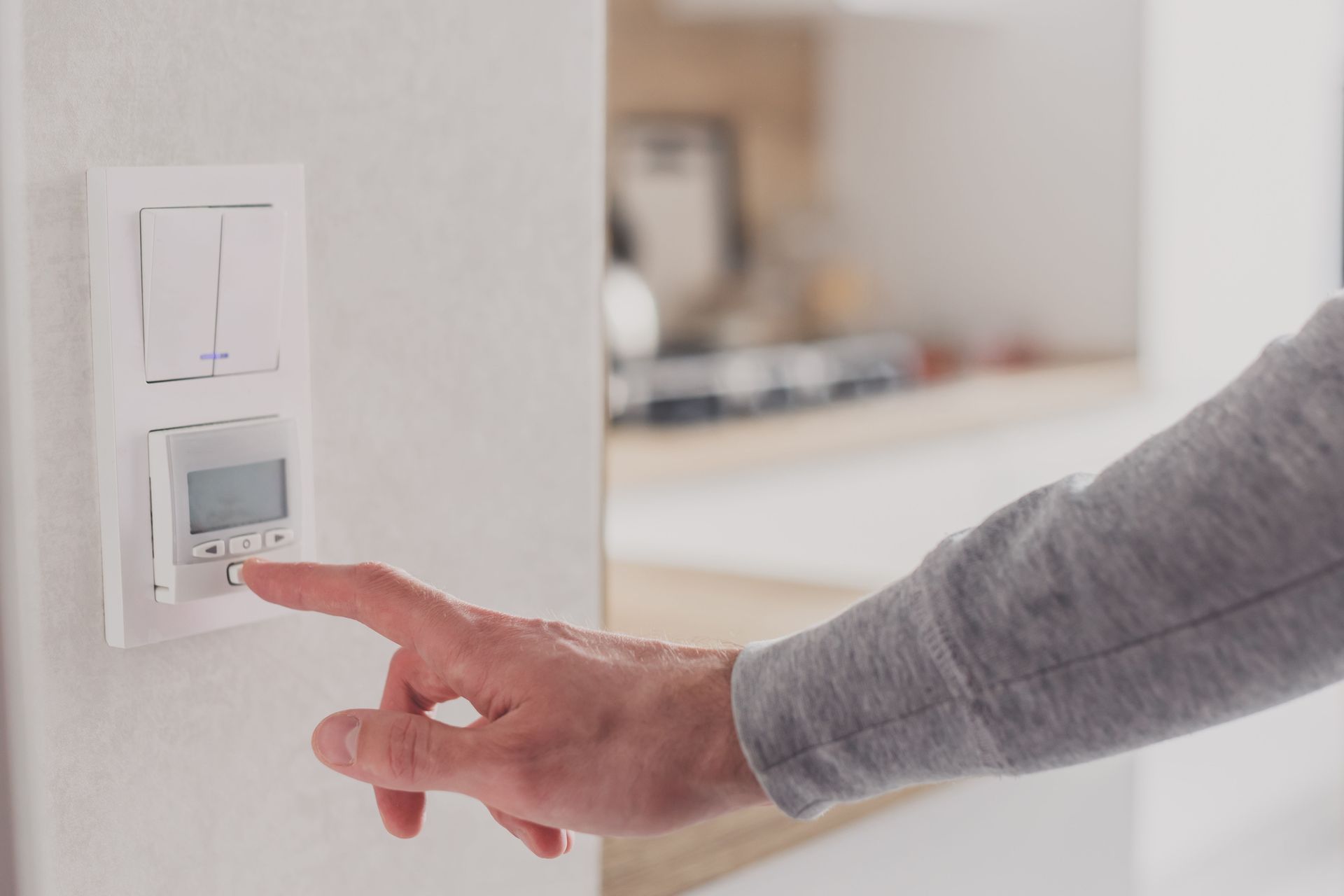
You should never wait for the first freezing night of the season to find out if your heating system actually works. A seamless transition requires proactive testing on a relatively mild day. To do this, simply switch your thermostat from 'Cool' to 'Heat' and raise the temperature setting a few degrees above the current room temperature.
Listen closely as the system engages. You should hear the familiar click of the thermostat, followed by the ignition of the furnace or the engagement of the heat pump. It is completely normal to smell a faint burning odor for the first few minutes; this is just the dust that has settled on the heat exchanger burning off. However, if the smell persists, if the system makes banging or screeching noises, or if the unit simply fails to turn on, you need to shut it down immediately. These are clear signs of mechanical trouble, and this is exactly the scenario where local HVAC contractors are needed for emergency diagnostics. By testing the unit early, you give yourself plenty of time to schedule repairs without suffering in a freezing house.
Program Your Winter Schedule
A truly seamless thermostat transition involves more than just changing the mode; it requires a complete overhaul of your programmed temperature schedule. The temperature settings that optimized your comfort and energy usage during the summer will not translate well to the winter months. To maximize efficiency, you need to establish a new daily rhythm for your heating system.
If you have a smart thermostat, now is the time to utilize its scheduling features, geofencing, or learning algorithms to automate your winter comfort. If you are still relying on an older, manual thermostat, consider making an upgrade before winter hits in full force. Upgrading is a straightforward process, and many local HVAC contractors offer prompt installation services, helping you program your new smart device to capture the best possible energy savings throughout the colder months.
Clean Your Air Vents
As you prepare to switch your thermostat to heating, it is crucial to pay attention to where that warm air will actually enter your rooms. Throughout the summer, your home’s floor registers, wall vents, and return grills have likely collected a substantial amount of dust, pet hair, and household debris.
When the heating system kicks on for the first time, all of that accumulated debris can be blown directly into your living spaces, causing unpleasant odors and aggravating winter allergies. Take a vacuum with a brush attachment and thoroughly clean all accessible vents and registers. Additionally, ensure that no heavy furniture, long curtains, or area rugs are blocking the airflow. Proper ventilation is essential for your system to heat the house evenly. If you suspect that the buildup is deep within the ductwork, or if you have noticed signs of mold or pest infestation, it might be time for a professional duct cleaning. Relying on the heavy-duty equipment of local HVAC contractors will ensure your ductwork is pristine, allowing clean, warm air to flow freely.
Calibrate Your Thermostat Device
Sometimes, the roadblock to a seamless transition isn't the heating system itself, but the thermostat’s ability to read the room temperature accurately. If your thermostat is out of calibration, it might think the room is warmer than it actually is, causing it to shut off the heat prematurely and leave you shivering.
You can easily check the calibration by taping a highly accurate glass thermometer to the wall right next to your thermostat. Wait a few minutes and compare the readings. If there is a discrepancy, your thermostat requires recalibration. While some modern digital thermostats allow you to adjust the calibration offset within the user settings, older mechanical models or complex smart home systems often require specialized knowledge to fix. In these instances, experienced local HVAC contractors possess the precision instruments and technical expertise necessary to accurately calibrate your device, ensuring that the temperature you set is exactly the temperature you feel.
Schedule Your Preventative Maintenance
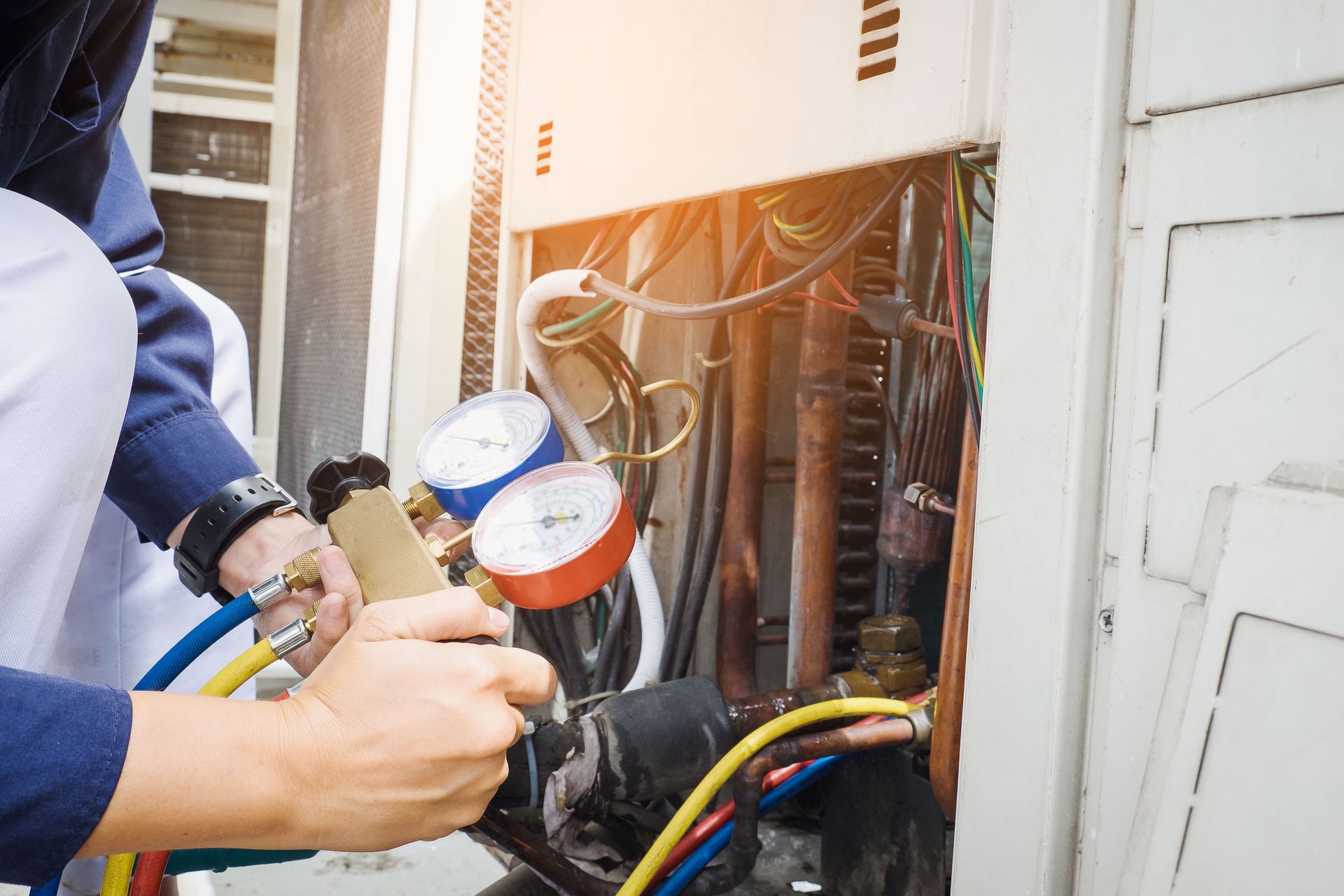
The final and most important step to ensure your thermostat transition is flawless is booking a comprehensive, professional tune-up. Preventative maintenance is the ultimate safeguard against the bitter cold of winter. A professional inspection goes far beyond what a homeowner can do with a vacuum and a new filter.
By building a relationship with trusted
local HVAC contractors, you are investing in the long-term health of your HVAC system. Professional maintenance not only secures your manufacturer’s warranty but also provides you with total peace of mind, knowing your home will remain a warm, comforting sanctuary no matter how low the temperatures drop outside. Contact Brigham Heating and Cooling, Inc today to schedule an appointment.