October 13, 2026
Heating and cooling systems depend on more than the main equipment to move conditioned air throughout a building. Ductwork provides the path that carries heated or cooled air to different rooms, so problems along that path can affect overall performance. Gaps, loose connections, and other leaks can allow conditioned air to escape before it reaches its intended destination. This article explains how poorly sealed ducts can affect HVAC efficiency, comfort, energy use, and system performance.
Allowing Duct Leakage
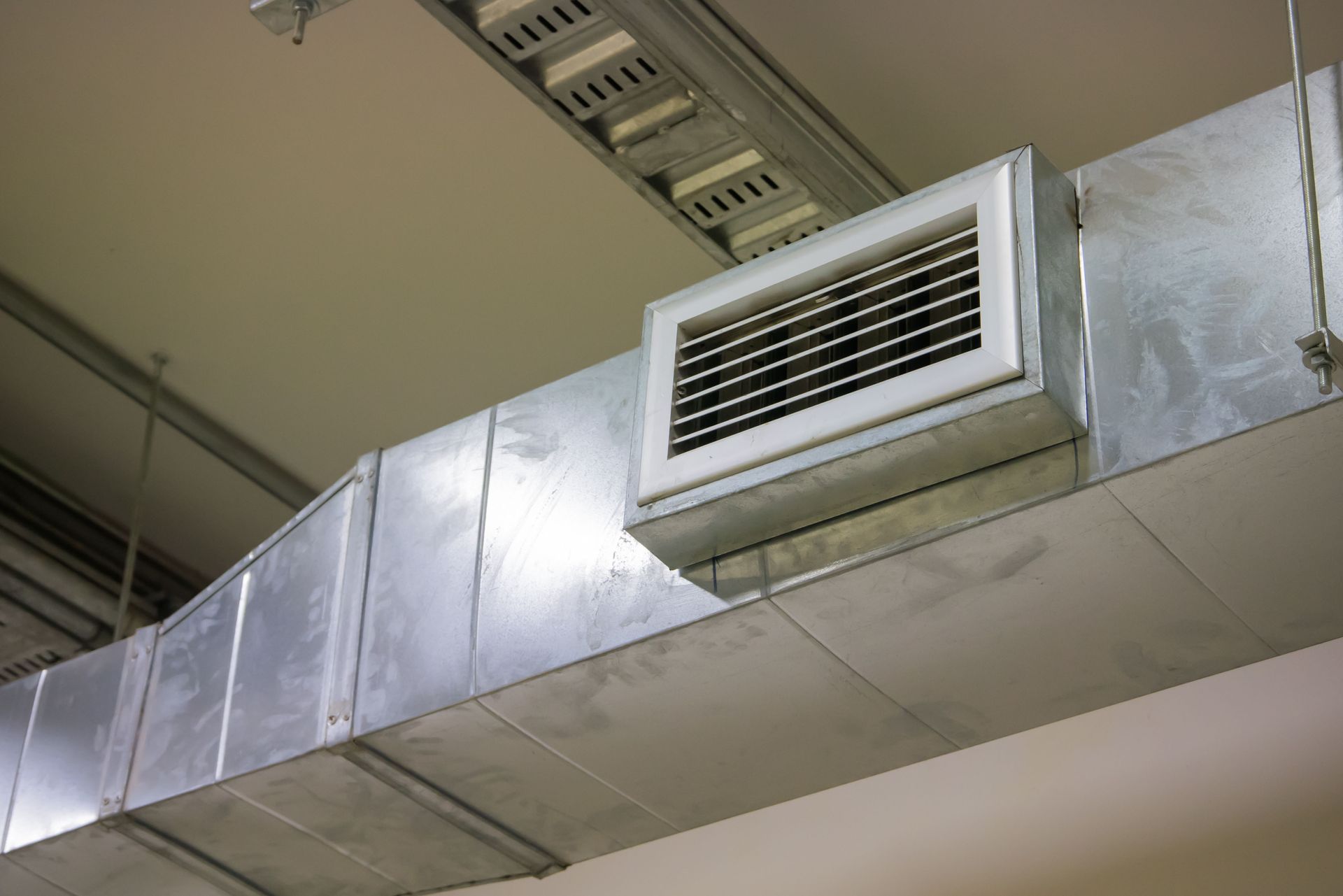
Duct leakage occurs when air escapes through openings or weak points in the duct system. These areas may develop around connections, joints, seams, or other sections where the ductwork is not properly sealed. Even relatively small openings can have an effect when air is moving through the system regularly.
A duct system is designed to direct conditioned air where it is needed. When part of that air escapes along the way, the system may have to operate longer to produce the desired indoor temperature. This can increase the amount of energy used during normal heating and cooling cycles. The location of a leak can also affect how much it matters. Ducts that pass through unconditioned areas can lose or gain heat as air moves through them. This can make it harder for the system to maintain consistent indoor conditions, especially during periods of very hot or cold weather.
Contributing to Efficiency Losses
Poorly sealed ducts can reduce the amount of conditioned air that actually reaches occupied spaces. This means the HVAC system may be working to heat or cool air that never reaches the rooms where it is needed. Longer operating periods can follow, particularly when the system is trying to compensate for uneven temperatures.
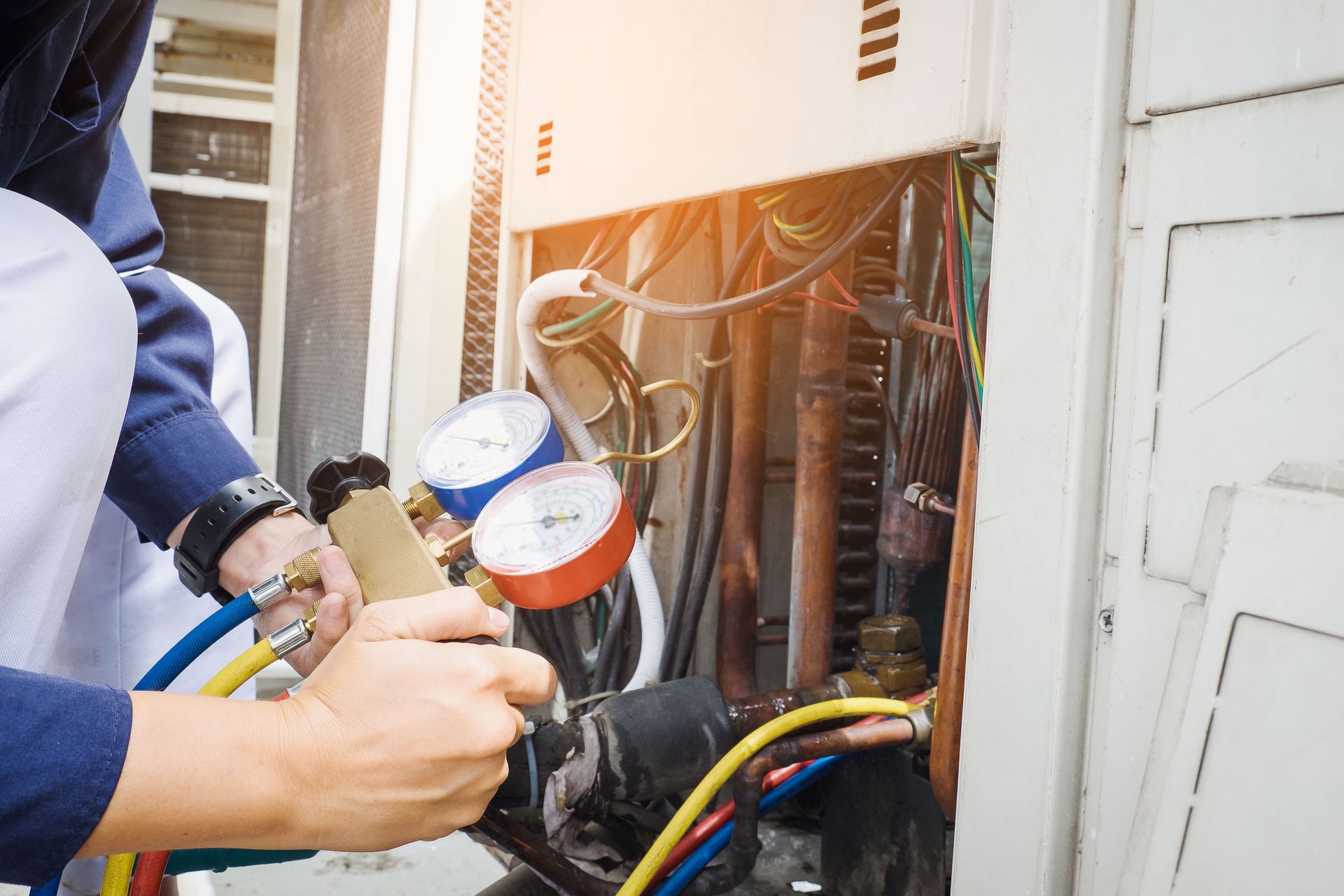
According to ENERGY STAR, poorly sealed ducts can result in up to a 30% loss in efficiency. This shows why duct condition can be an important part of overall HVAC performance. When conditioned air is lost before reaching its destination, the system may need to use more energy to achieve the same indoor results. HVAC contractors can evaluate ductwork as part of a broader assessment of system performance. Looking at the duct system can help identify whether air loss may be contributing to higher energy use or inconsistent temperatures.
Affecting Indoor Comfort
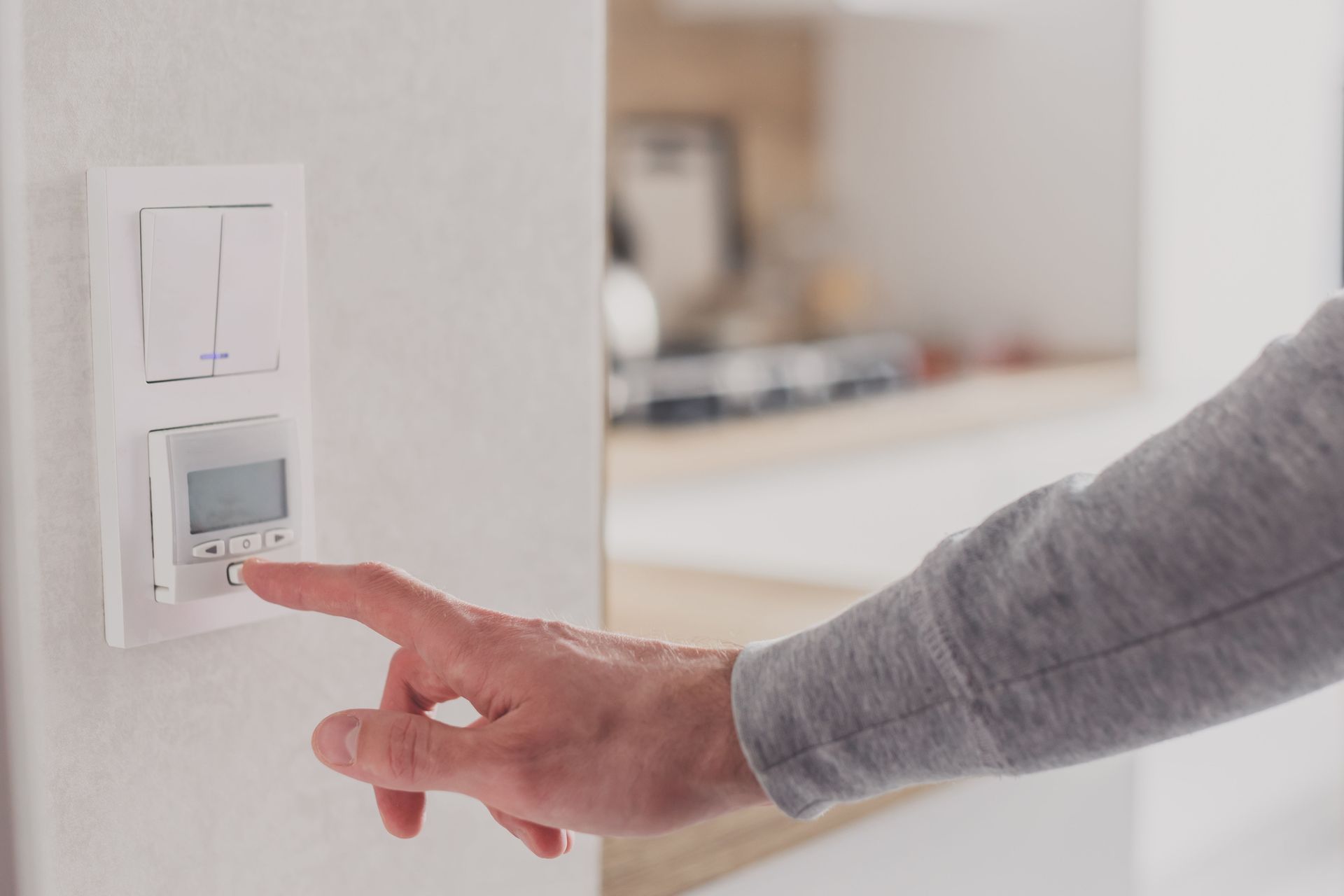
Comfort problems are another common effect of duct leakage. Rooms may feel warmer or cooler than others when conditioned air is not distributed evenly. Some areas may receive enough airflow while others receive less than expected. Temperature differences can become more noticeable when outdoor conditions are extreme. A building may take longer to reach a comfortable temperature, and some rooms may continue feeling uncomfortable even while the HVAC system is running.
Airflow problems can also affect how consistently a system operates. When conditioned air is lost, the equipment may continue running as it attempts to reach the selected temperature. This can create longer cycles and contribute to additional wear over time. HVAC contractors may consider airflow, temperature differences, duct condition, and system operation when assessing these concerns. A complete evaluation can help determine whether duct leakage is one of the factors affecting comfort.
Increasing Energy Use
Energy use can rise when an HVAC system has to compensate for lost conditioned air. The system still consumes energy while operating, even if some of the air it produces does not reach the intended rooms. Repeated losses can become more noticeable over the course of a heating or cooling season. Poor duct sealing does not always create an obvious problem at first. A building may remain reasonably comfortable while the system runs longer than it should. Over time, those longer operating periods can contribute to higher energy consumption.
The effect can vary based on the size and location of the leaks, the condition of the ductwork, the building layout, and how often the HVAC system operates. This is one reason duct condition should be considered when evaluating unexpected changes in energy use. HVAC contractors can review the relationship between duct performance and overall system operation. If duct leakage is contributing to energy loss, addressing the problem may help the system deliver conditioned air more effectively.
Heightening System Strain
An HVAC system that repeatedly compensates for air loss may experience more operating demand. When indoor temperatures are difficult to maintain, the equipment can run for longer periods to reach the desired setting. Frequent or extended operation can place more demand on system components. This does not mean every duct leak will cause immediate equipment problems. However, unresolved airflow losses can contribute to inefficient operation over time. When the system has to work harder to provide the same level of comfort, its overall performance may be affected.
Other issues can also cause longer operating cycles, so duct leakage should not be assumed to be the only possible cause. A professional assessment can help separate duct-related concerns from other HVAC performance issues. HVAC contractors can inspect the broader system to identify conditions that may be contributing to inefficient operation. This approach helps connect duct performance with the way the heating and cooling system operates as a whole.
Limiting Air Distribution
Proper air distribution depends on conditioned air reaching the areas where it is needed. Leaks can interfere with that process by allowing air to escape before it reaches its intended outlet. The result may be weaker airflow or less consistent temperatures in certain areas. Duct condition can also affect how balanced the system feels throughout a building. If some areas receive less conditioned air, occupants may notice differences from one room to another. These differences can be especially frustrating when the thermostat indicates that the desired temperature has already been reached.
A well-performing duct system supports more consistent movement of conditioned air. When leaks or other problems interfere with that movement, the HVAC system may not provide the same results as it would under normal operating conditions. HVAC contractors can assess airflow patterns and duct conditions when inconsistent distribution becomes a concern. Their findings can help determine whether duct leakage is affecting the movement of conditioned air.
Addressing Sealing Concerns
Duct sealing is most effective when the entire system is considered rather than one area. Connections, joints, seams, and other sections can contribute to air loss. A professional evaluation can identify problem areas and determine the right approach based on the ductwork’s condition and accessibility. Seeking professional help can be useful when uneven temperatures, longer HVAC operation, or rising energy use become concerns. HVAC contractors can determine whether poorly sealed ducts may be contributing to these issues. Duct condition can affect how efficiently conditioned air moves through a building. Properly sealed ductwork can reduce air loss and support more consistent distribution. Temperature differences, longer operating periods, or higher energy use may also indicate that the HVAC system needs further evaluation.
Keeping the duct system in good condition can support the larger goal of efficient heating and cooling. It can also help the system deliver conditioned air where it is intended to go, rather than losing part of that air along the way. When duct leakage or HVAC efficiency becomes a concern, HVAC contractors can evaluate the system and recommend appropriate next steps. Seeking professional help can provide a clearer understanding of the condition of the ductwork and its role in overall system performance. For help with evaluating duct efficiency and HVAC performance, contact the HVAC contractors at Brigham Heating and Cooling, Inc.