November 18, 2026
When crisp autumn breezes sweep across Northern Utah, keeping your home warm and cozy becomes a top priority. Preparing your heating system before the initial deep freeze prevents unwelcome surprises and costly emergency service calls. Many homeowners overlook the thermostat, yet this control panel serves as the central brain for your entire climate setup. Partnering early with local HVAC contractors ensures that your system switches operating cycles without unpleasant disruptions.
The seasonal shift requires more than sliding a small switch from cold to warm. Proper care safeguards your equipment against premature component failure while trimming utility bills throughout the colder months. Homeowners who take time to understand seasonal preparation create healthier living spaces. A careful switch-over preserves comfort while protecting your winter heating budget.
Assessing Seasonal Climate Transitions
Early autumn brings fluctuating weather conditions that challenge interior temperature management. Warm afternoon sunshine gives way to biting evening chills within a matter of hours. Making erratic adjustments forces mechanical equipment to start and stop with unnecessary harshness. Consulting experienced local HVAC contractors helps households establish steady schedules that buffer against wild outdoor fluctuations.
Gradual management keeps machinery running efficiently while preventing unnecessary strain on internal electrical relays. Running an air conditioner and a furnace on the same afternoon creates severe wear. Allowing house temperatures to settle between operating cycles provides compressors adequate rest. Establishing balanced routines now protects delicate equipment through erratic autumn weeks.
Preparing the Central Air Unit
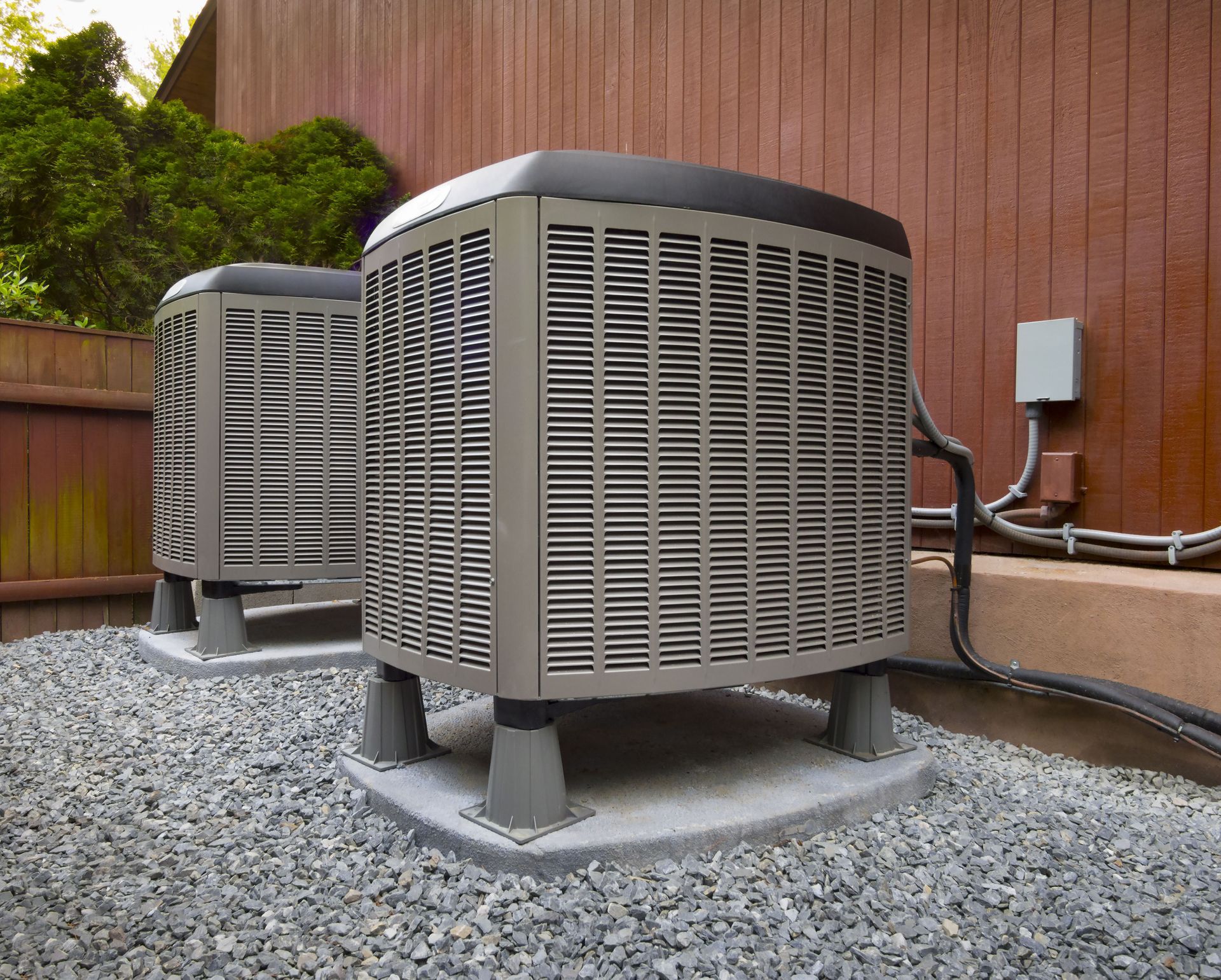
Before your heating equipment takes over daily duties, your outdoor cooling unit requires specific care. Dust, dried leaves, and lawn debris accumulate around outdoor coils during summer operation. According to Industry Research, nearly 54% of HVAC service calls are for AC repairs. Protecting your cooling hardware during fall helps prevent costly breakdowns when summer returns.
A clean outdoor enclosure shields internal coils from trapped moisture and ice formation. Placing a fitted breathable cover over the top keeps falling foliage and heavy snow from entering the fan housing. Leaving side louvers open ensures adequate air circulation and stops corrosive condensation from rusting sheet metal. Dedicated homeowners consult local HVAC contractors for guidance on seasonal shutdown procedures.
Inspecting Air Distribution Paths
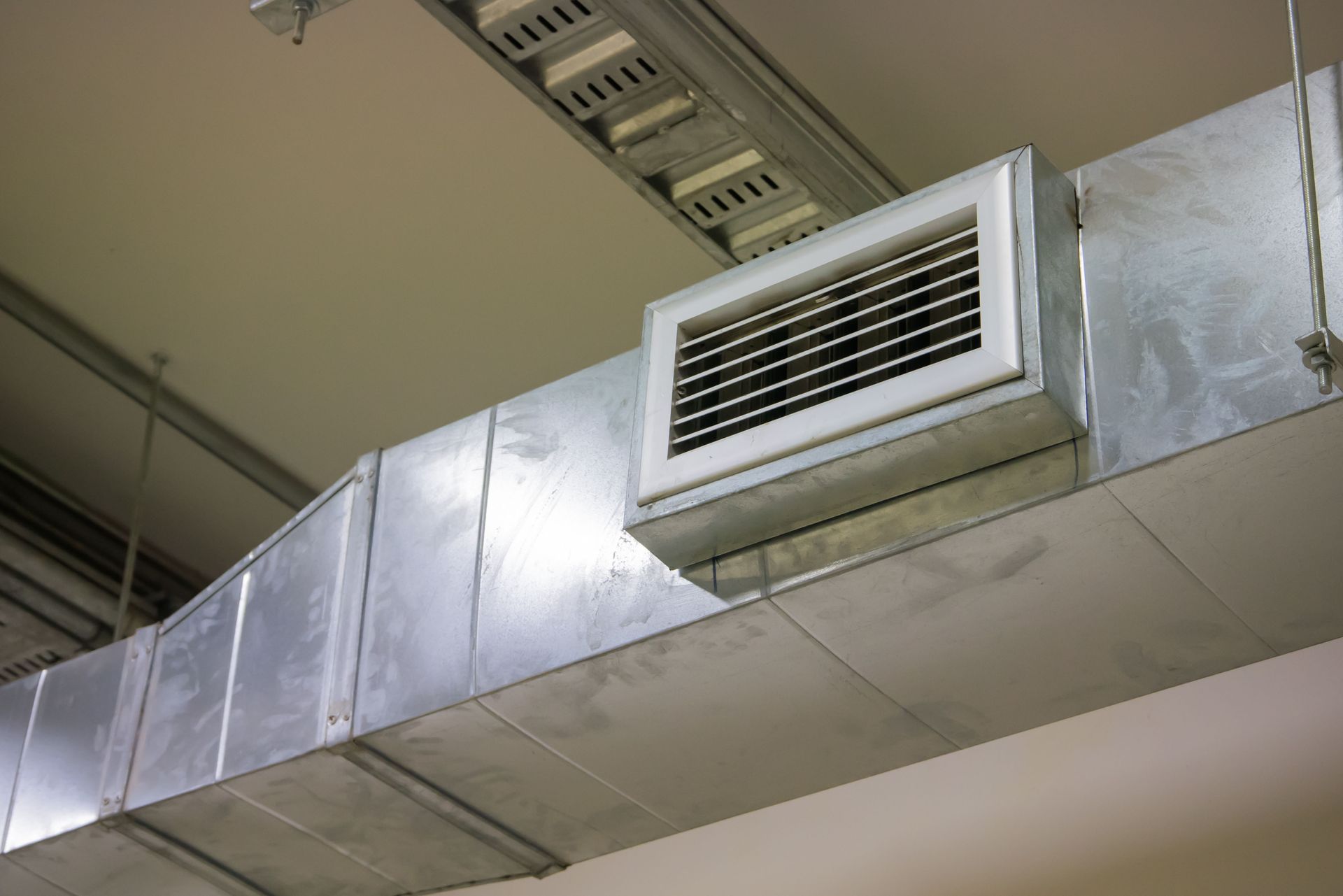
Conditioned air requires clear, unrestricted pathways to circulate through living quarters. During seasonal changeovers, return grilles and supply vents deserve careful inspection. Furniture, area rugs, and heavy draperies get shifted during summer, unintentionally blocking vital airflow paths. Unobstructed duct pathways allow warm air to travel freely through every room.
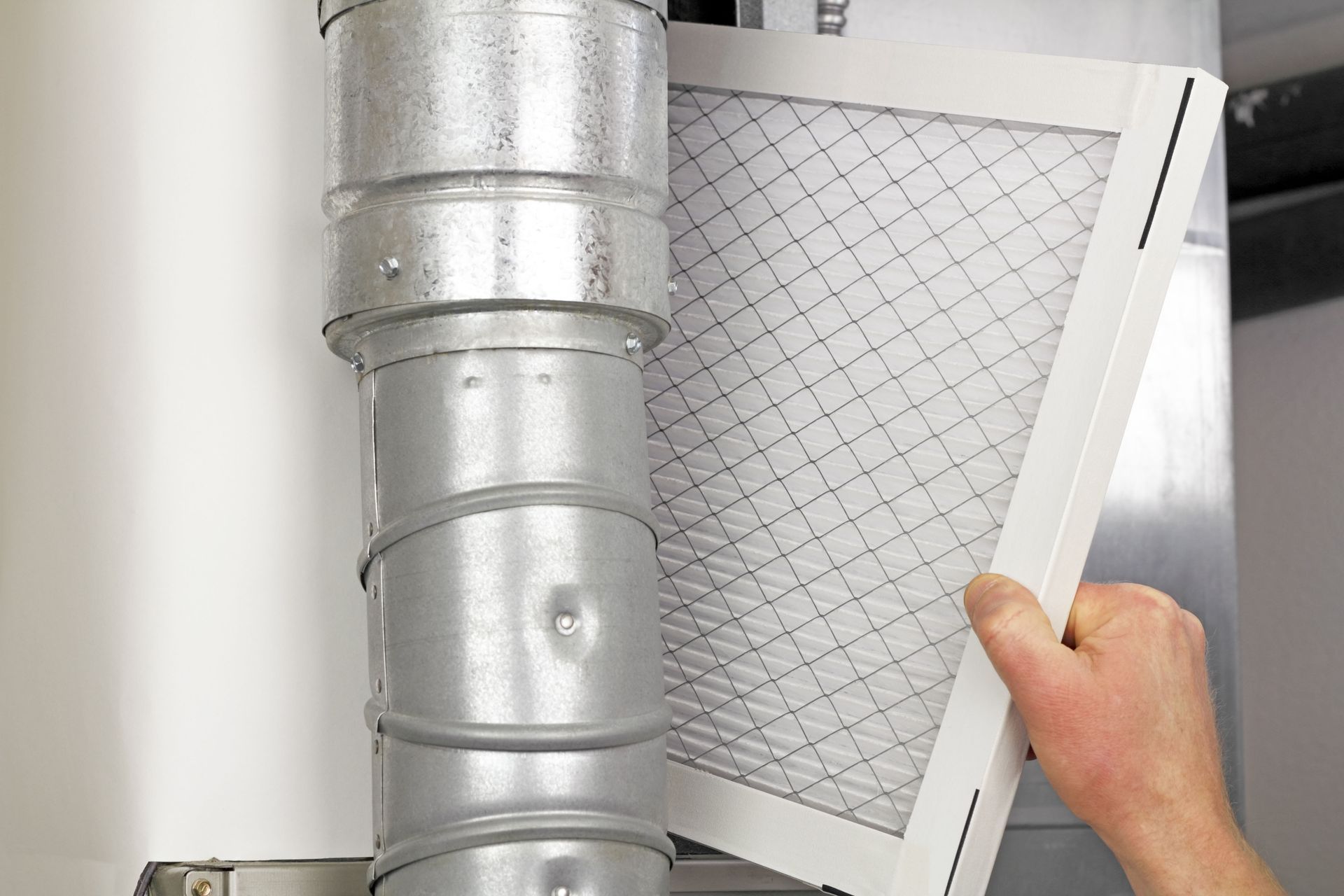
Fresh filtration plays an important role during this transitional phase. Thick carpets of trapped dust restrict mechanical airflow and force blowers to work harder than necessary. Inserting clean filters keeps air moving easily while protecting heat exchangers from overheating. Scheduling seasonal vent inspections with trusted local HVAC contractors guarantees optimal airflow performance.
Testing Core Heating Operations
Testing your furnace or heat pump before cold weather arrives prevents unpleasant morning chills. Set your control panel a few degrees above current room temperature to initiate a call for warmth. Listen for normal combustion sounds and verify that supply registers blow steady warmth within moments.
Discovering operational issues early leaves ample time for minor repairs.
A mild burning dust odor often accompanies the initial startup cycle. Dust settling on burner surfaces during summer months burns off during this inaugural burn cycle. This odor should dissipate within a short period of steady operation. Persistent foul smells, strange screeching sounds, or erratic burner behavior indicate an immediate need for professional diagnostics.
Calibrating Internal Sensing Components
Accurate sensing components ensure that interior temperatures match your chosen settings. Over time, internal sensor pins collect dust particles that warp reading accuracy. Wiping the internal sensor face with a soft cloth restores proper baseline sensitivity. Checking that your control housing sits straight against interior walls also prevents faulty readings.
System controls mounted near drafty windows, exterior doorways, or sunlit walls report inaccurate readings. Warped thermal readings cause short cycling, driving up monthly utility bills without delivering genuine comfort. Relocating a poorly placed sensor restores accurate indoor readings throughout the home. Experienced local HVAC contractors calibrate delicate sensors to maintain consistent indoor temperatures.
Upgrading to Smart Climate Controls
Technology advances provide exciting opportunities to improve household efficiency before winter strikes. Older manual dials lack the precision necessary to capture subtle temperature variations in modern homes. Replacing outdated models with smart devices allows for granular control over daily heating cycles. These modern upgrades sync direct with mobile devices for convenient monitoring from anywhere.
Smart interfaces track usage habits and offer customized suggestions to lower monthly energy consumption. Learning algorithms remember preferred settings and adjust output based on live weather forecasts. Advanced panels even send alerts when filter changes or routine maintenance are due. Homeowners seeking absolute convenience benefit from investing in these intelligent interior climate managers.
Programming Balanced Winter Schedules
Modern programmable controls provide convenient scheduling options that balance personal comfort with utility savings. Selecting lower temperatures while household members sleep reduces fuel usage. Raising target warmth just before morning alarm clocks ensures cozy wakeful routines. These automated transitions eliminate the temptation to crank the heat whenever someone feels a draft.
Consistent scheduling prevents sudden temperature swings that stress equipment components. Attempting to heat a cold house by choosing extreme targets wastes energy without warming rooms faster. Steady, moderate adjustments allow heating coils and heat exchangers to operate within their optimal ranges. Reputable local HVAC contractors help families configure customized schedules suited to daily routines.
Managing Indoor Humidity Levels
Winter weather strips moisture from indoor environments, leaving rooms feeling chilly even at elevated temperatures. Dry indoor air accelerates evaporation from exposed skin, creating an artificial chill that encourages people to raise the heat. Introducing balanced moisture through whole-home humidifiers makes indoor air feel warmer at moderate settings. Balanced humidity reduces overall heating demands while improving comfort.
Integrating humidity control into your regular thermostat management preserves interior woodwork and furnishings. Dry winter air causes wood floors, door frames, and custom cabinetry to shrink and crack. Controlled moisture levels protect structural woodwork while preventing scratchy throats and dry skin. Knowledgeable local HVAC contractors design integrated humidity solutions tailored to regional climates.
Maintaining Safe Combustion Conditions
Combustion systems rely on continuous safety interlocks to shield families from dangerous exhaust hazards. Cracked heat exchangers, blocked chimneys, and failed flame sensors present silent hazards if left unattended. Installing fresh batteries into household carbon monoxide alarms alongside seasonal thermostat changes saves lives. Peace of mind begins with verifying that your exhaust equipment vents outside.
Professional testing tools detect micro-fractures in burner chambers that visual inspections miss. Minor gas valve leaks, irregular combustion pressures, and improper venting require prompt attention. Taking a proactive approach guards your home against serious safety risks and unexpected mid-winter shutoffs. Seasonal tune-ups performed by licensed local HVAC contractors safeguard household health all winter long.
Recognizing the Signs of Aging Equipment
Even with impeccable maintenance, heating systems reach the end of their functional lifespan. Furnaces nearing two decades of active service begin losing their ability to generate consistent warmth. Strange rattling noises, delayed ignition sequences, and frequent cycling point to failing internal components. Catching these warning signs during the autumn transition saves families from sudden winter breakdowns.
Escalating utility bills signal that a furnace works twice as hard to produce the same heat. Chronic issues requiring repeated service visits indicate that a full system replacement makes better financial sense. Evaluating your current setup allows for deliberate replacement decisions rather than rushed emergency installations. Proactive planning ensures uninterrupted comfort when the heaviest snowfalls finally arrive.
Partnering With Regional Specialists
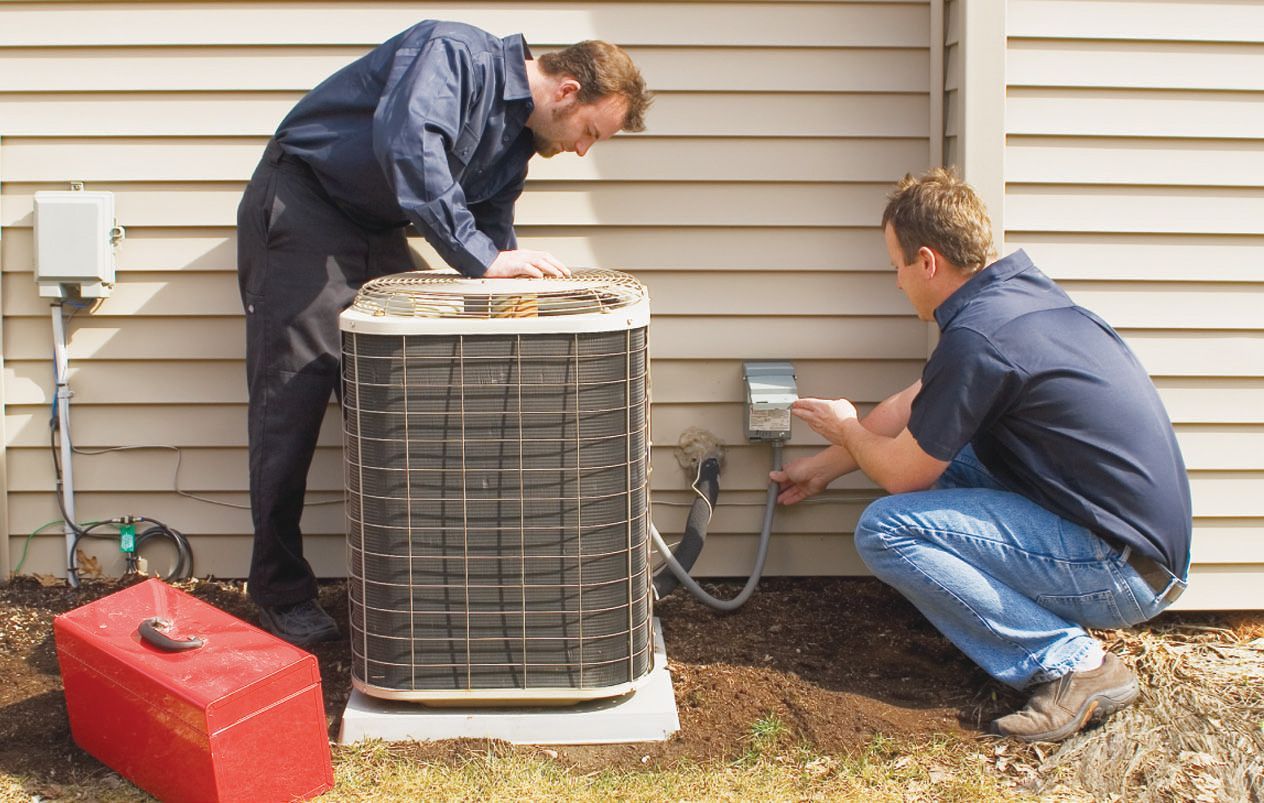
Self-guided switch-overs keep households aware of system performance, yet complex mechanical components require specialized training. Annual checkups catch hidden motor wear, frayed wiring, and failing capacitors before sudden breakdowns leave rooms freezing. Technicians clean delicate burner assemblies, verify electrical functions, and balance heating cycles for peak efficiency.
Establishing a relationship with skilled technicians builds a reliable safety net for your home.
Regional technicians bring vital understanding of local weather patterns and specific municipal building codes. Trusting your seasonal transition to skilled professionals protects warranties and keeps heating systems running without interruption. A thorough autumn inspection guarantees that your home stays warm despite dropping temperatures outside. For absolute peace of mind this winter, schedule your comprehensive seasonal maintenance checkup today with Brigham Heating and Cooling, Inc.